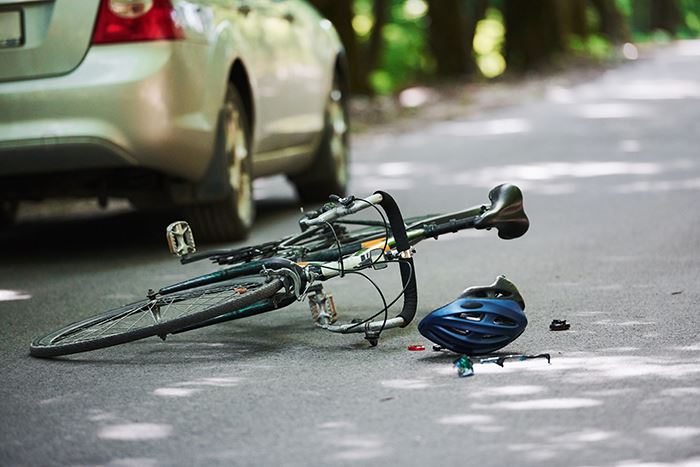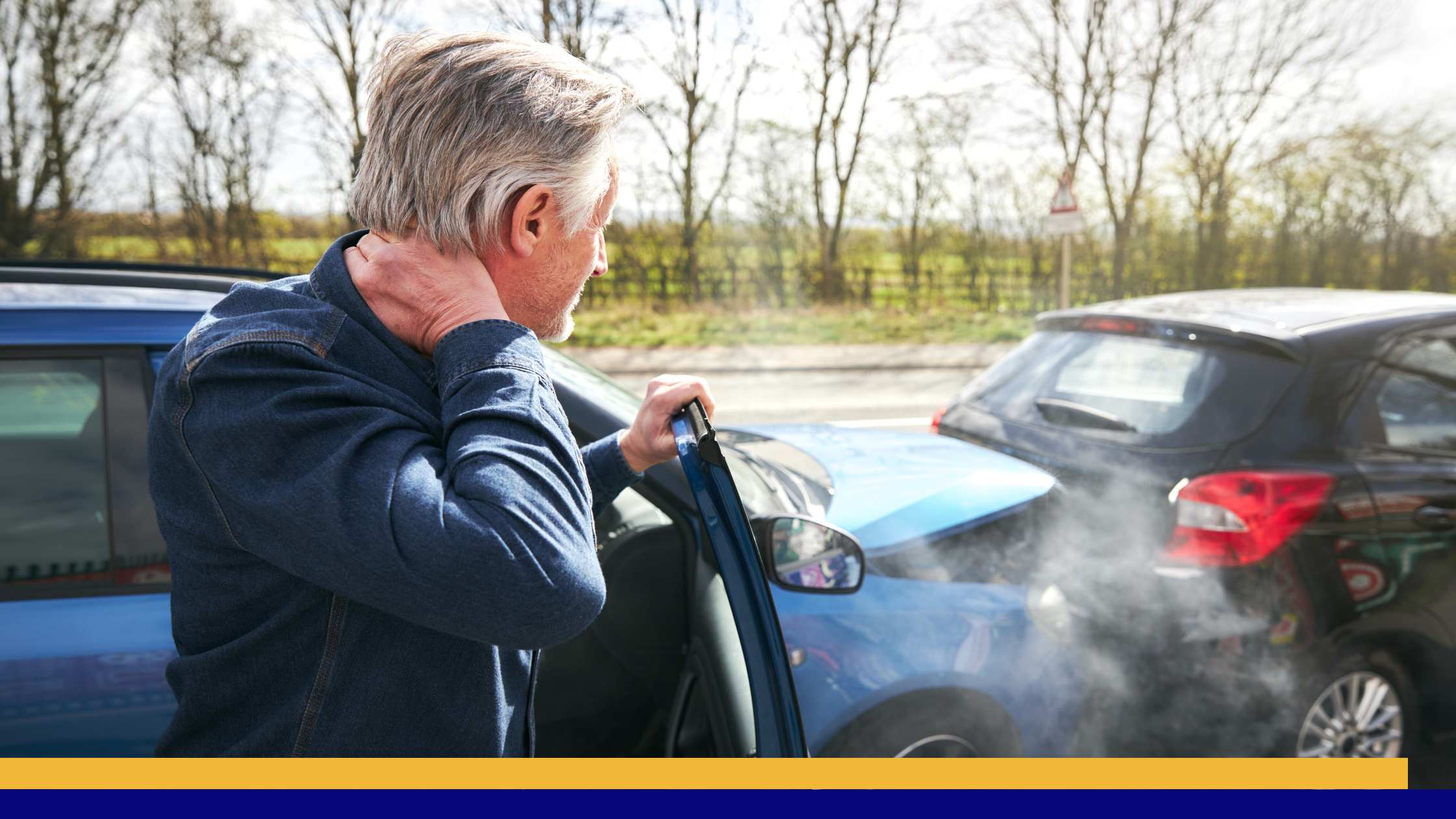
You did everything right. You carried insurance, drove carefully, and followed the rules of the road. Then another driver ran a red light, rear-ended you at a stoplight, or sideswiped your car and fled. Now you are sitting in the emergency room, and the police officer just confirmed the driver who hit you had no insurance.
This situation is more common in California than most people realize. According to the Insurance Research Council, roughly one in six California drivers is uninsured, one of the highest rates in the country. If the driver who caused your crash falls into that category, your own auto insurance policy may be the only source of compensation available to you: specifically, a coverage called uninsured and underinsured motorist coverage, or UM/UIM.
This article explains exactly what UM/UIM coverage is, how it works under California law, what it pays for, and what steps you need to take to protect your rights after a crash with an uninsured or underinsured driver.
Key Takeaways
- California law requires auto insurers to offer UM/UIM coverage; you must reject it in writing to waive it.
- Uninsured motorist (UM) coverage applies when the at-fault driver has no insurance; underinsured motorist (UIM) coverage applies when the at-fault driver’s policy limits are too low to cover your losses.
- UM/UIM can pay for medical bills, lost wages, pain and suffering, and other damages: the same categories a liability claim against the at-fault driver would cover.
- Hit-and-run crashes typically qualify for UM coverage in California if there was physical contact between the vehicles.
- You must notify your insurer promptly after a crash with an uninsured or underinsured driver; delays can jeopardize your claim.
- California’s statute of limitations under CCP §335.1 gives you two years from the date of the crash to file a lawsuit, but contractual deadlines in your UM/UIM policy can be shorter.
- Insurance companies fight UM/UIM claims aggressively: an experienced California personal injury attorney can level the playing field.
What UM/UIM Coverage Actually Is
Uninsured motorist (UM) coverage pays for your injuries and losses when the driver who caused your accident has no liability insurance at all. Underinsured motorist (UIM) coverage kicks in when the at-fault driver carries some insurance, but their policy limits are not enough to cover your full damages.
California Insurance Code §11580.2 requires every auto insurer in California to offer UM/UIM coverage to policyholders. You can decline it, but only by signing a written rejection. If you purchased your car insurance without explicitly rejecting UM/UIM in writing, the coverage is almost certainly part of your policy. Pull out your declarations page and look for “UM/UIM” or “uninsured motorist” coverage limits. That number tells you the maximum amount your own insurer is obligated to pay on a qualifying claim.
UM/UIM coverage follows you, not just your car. If you are hit as a pedestrian, while riding a bicycle, or while driving a rental vehicle, your personal UM/UIM policy may still apply. The rules vary by policy language, so verifying your specific coverage with an attorney is worthwhile before you assume you are unprotected.
How a UM Claim Differs From a Standard Liability Claim
In a typical car accident, you file a claim against the at-fault driver’s liability insurer. That insurer investigates, negotiates, and pays a settlement if liability is established. The process is adversarial: you and the insurer sit on opposite sides of the table.
With a UM claim, you file against your own insurance company. On paper, that sounds friendlier. In practice, your own insurer has the same financial incentive to minimize your payout as any other insurance company. Do not assume that because you have faithfully paid premiums for years, your insurer will treat your UM/UIM claim generously. They may dispute the severity of your injuries, challenge that the other driver was at fault, or argue that your claimed damages are excessive.
The legal standard for UM/UIM claims in California mirrors what you would recover from the at-fault driver in a third-party claim. California applies a pure comparative negligence rule, which means your recovery is reduced by your percentage of fault. If the investigating officer or your insurer concludes you were 20 percent responsible for the collision, your UM/UIM payout would be reduced by 20 percent. An attorney can challenge fault allocations that are inflated by the insurer to minimize what they owe.
What UM/UIM Coverage Pays For
UM/UIM coverage is designed to put you in roughly the same position you would be in if the at-fault driver had adequate liability insurance. That means it can cover:
- Medical expenses: Emergency care, hospitalization, surgery, physical therapy, prescription medication, and future medical treatment reasonably related to your injuries.
- Lost wages: Income you lost because your injuries kept you out of work, including future earning capacity if your injuries affect your ability to earn at your prior level.
- Pain and suffering: Compensation for physical pain, emotional distress, and the loss of enjoyment of daily activities.
- Property damage: Some UM policies include uninsured motorist property damage (UMPD) coverage for vehicle repair or replacement costs, though this is separate from bodily injury UM/UIM coverage.
UM/UIM coverage does not pay for punitive damages. It also does not stack on top of a liability recovery, if you receive some compensation from the at-fault driver’s insurer, your UIM payout is reduced by that amount.
Hit-and-Run Accidents and UM Coverage in California
If the driver who caused your crash fled the scene and was never identified, you still have a path to compensation through UM coverage. California Insurance Code §11580.2 extends UM coverage to hit-and-run accidents, but with an important condition: there must have been physical contact between the fleeing vehicle and your vehicle (or you, as a person). A “phantom vehicle” that causes you to swerve and crash without actually making contact may not qualify under a standard UM policy, though some policies provide broader coverage.
If you are in a hit-and-run, do three things immediately. Report the crash to law enforcement before leaving the scene or as soon as safely possible. Document any visible contact damage on your vehicle with photos. Notify your own insurer promptly: most policies require you to report a UM claim within a specified number of days, and missing that window can give the insurer grounds to deny coverage.
- Tip: Many UM policies require you to report a hit-and-run within 24 to 72 hours. Read your policy’s notification requirements carefully, or have an attorney review them so you do not inadvertently waive a valid claim.
When UIM Coverage Applies: The Underinsured Driver Scenario
California requires drivers to carry minimum liability coverage of $30,000 per person and $60,000 per accident (limits that took effect on January 1, 2025, with further increases scheduled through 2035). Even at the new minimums, that coverage can fall far short of what a serious injury costs.
Suppose the driver who rear-ended you at 50 mph carries the minimum policy, and your injuries, a fractured lumbar vertebra, a traumatic brain injury, and months of lost work, result in $180,000 in documented damages. Their insurer pays their $30,000 limit. Your UIM coverage can bridge the gap between what their policy paid and the damages your own UIM policy limit will cover.
The key calculation: UIM pays the difference between the at-fault driver’s liability limit and your UIM limit. If your UIM limit is $100,000 and the at-fault driver’s policy paid $30,000, your UIM insurer owes up to $70,000, not an additional $100,000 on top. That is why carrying higher UM/UIM limits is worth the relatively modest premium increase.
- Tip: When you purchase or renew your auto policy, consider matching your UM/UIM limits to your liability limits. The premium difference is typically small, but the protection gap it closes can be significant if you are seriously injured.
Steps to Take After Being Hit by an Uninsured Driver in California
1. Call 911 and Get a Police Report
A police report documenting that the at-fault driver had no insurance is essential to your UM claim. Do not accept the other driver’s offer to “handle this between yourselves.” California law requires a police report for accidents involving injury or property damage above a threshold, and your insurer will almost certainly require it for a UM claim.
2. Document Everything at the Scene
Photograph the positions of both vehicles, all visible damage, license plates, traffic controls, road conditions, and any visible injuries. If witnesses stopped, collect their names and phone numbers. This evidence becomes your proof when your own insurer later investigates the claim.
3. Seek Medical Care Immediately
Even if you feel relatively okay at the scene, see a doctor the same day or the next morning. Soft-tissue injuries, concussions, and spinal injuries often do not produce their full symptom load for 24 to 72 hours. A gap in medical treatment gives an insurer an easy argument that your injuries were not serious or were caused by something other than the crash.
4. Notify Your Insurer, But Limit What You Say
Your policy obligates you to report a UM/UIM incident promptly. Call your insurer to report the crash, but be careful with recorded statements. An adjuster may ask you to describe your injuries before they have fully manifested or to characterize the crash in ways that minimize your claim. You have the right to consult an attorney before giving a recorded statement, and doing so is advisable.
5. Track Every Expense and Every Impact on Your Life
Save all medical bills, pharmacy receipts, imaging reports, and correspondence from healthcare providers. Keep a written log of days you missed work, activities you could no longer perform, and how your injuries affected your daily life. This documentation directly supports the pain-and-suffering and economic damages components of your UM/UIM claim.
6. Be Aware of the Statute of Limitations
Under CCP §335.1, you have two years from the date of the crash to file a personal injury lawsuit in California. However, your UM/UIM policy may contain contractual deadlines that are shorter: some policies require you to demand arbitration within a year or two of the date of loss. If you are approaching any deadline without a resolution, contact an attorney immediately. Missing a contractual deadline can bar your claim even if the two-year statute has not yet run.
How Vetchtein Law Handles UM/UIM Claims
When the driver who injured you has no insurance, or not enough insurance, you are negotiating against your own insurance company with your financial recovery and your physical recovery both on the line. That is not a position you should handle alone.
Robert Vetchtein has practiced personal injury law in California since 2004. He has represented injured clients across the Inland Empire and Orange County in claims involving uninsured and underinsured drivers, handling everything from the initial insurer notification through arbitration or litigation when the insurer refuses to pay a fair amount. Vetchtein Law works on a contingency fee basis, which means there is no out-of-pocket cost to you. If the firm does not recover compensation on your behalf, you owe no legal fees.
The firm serves clients injured in San Bernardino car accidents, Riverside car accidents, Newport Beach car accidents, Fontana, and throughout the Inland Empire and Orange County. If you were hit by an uninsured or underinsured driver, a free case evaluation is available 24 hours a day, seven days a week. Call (888) 963-9999 or reach out through the our online contact form.
Frequently Asked Questions
What if the uninsured driver who hit me has personal assets I could sue?
You can file a personal injury lawsuit directly against an uninsured at-fault driver. The challenge is that many uninsured drivers have limited assets and no insurance, which makes collecting a judgment difficult even if you win. Pursuing your UM claim simultaneously is usually the more reliable path to actual compensation. An attorney can evaluate both options based on the specific facts of your case.
Can my insurer cancel my policy or raise my rates because I filed a UM/UIM claim?
California law prohibits your insurer from canceling or nonrenewing your policy solely because you filed a UM/UIM claim. Rate increases may still occur depending on your specific policy terms and renewal circumstances, but a UM/UIM claim made in good faith is not grounds for cancellation. If your insurer retaliates against you for filing a legitimate claim, that may constitute bad faith conduct under California law.
What happens if both the uninsured driver and I share fault for the crash?
California’s pure comparative negligence rule applies to UM/UIM claims. Your recovery is reduced by your percentage of fault, but you are not barred from recovering even if you were partially at fault. For example, if your total damages are $100,000 and you are found 25 percent at fault, your UM/UIM payout would be reduced to $75,000.
Does UM/UIM cover injuries to my passengers?
Yes. UM/UIM bodily injury coverage typically extends to you and your passengers who are injured in the crash. Each person’s claim is subject to the per-person limit in your policy, and all claims together are subject to the per-accident limit. Passengers who have their own UM/UIM coverage may also have claims under their own policies.
How long does a UM/UIM claim take to resolve?
Timeline varies significantly depending on the severity of your injuries, the documentation you can provide, how aggressively your insurer disputes the claim, and whether the matter proceeds to arbitration or litigation. Claims with clear liability and fully documented injuries may settle in a few months. Disputed, high-value, or arbitrated claims can take a year or longer. The stronger your documentation from the start, the more leverage you have to move the process forward efficiently.
What should I do if my insurer denies my UM/UIM claim or offers far less than my damages?
Request the denial in writing along with the specific policy language and grounds for denial. Do not sign any release or accept any payment without understanding what rights you are giving up. California law imposes bad faith obligations on insurers: they must handle your claim fairly and promptly. An attorney can evaluate whether the denial was legitimate or whether the insurer breached its duty to you.
Being hit by an uninsured driver is a situation you did not cause and did not deserve. But how you respond in the days and weeks that follow will determine whether you recover full compensation or absorb losses that should never have been yours to carry. California law gives you tools, and UM/UIM coverage may be the most important one.
Vetchtein Law offers a free case evaluation with no obligation, contingency-only fees, and 24/7 availability for injured clients throughout Southern California. If you or a family member was hit by an uninsured or underinsured driver anywhere in San Bernardino, Riverside, Newport Beach, Fontana, or the surrounding Inland Empire and Orange County communities, contact the firm today at (888) 963-9999 or visit our contact page. There is no fee unless we win.
Meet attorney Robert Vetchtein.
This article is for informational purposes only. It is not legal advice and does not create an attorney-client relationship. Laws and deadlines change, and every case is different, so speak with a qualified California attorney about your situation.