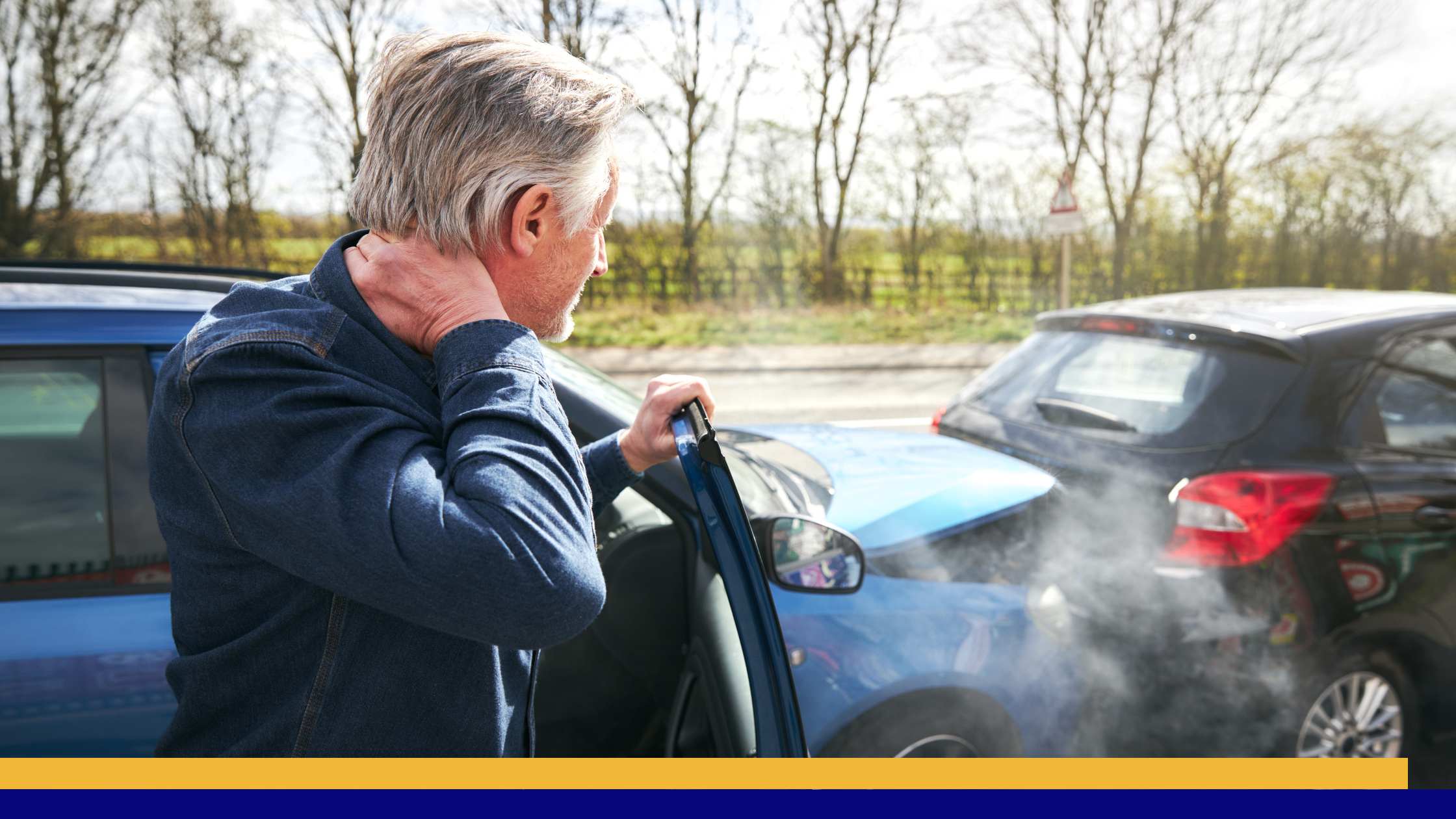
You were hurt in a car accident in San Bernardino. The medical bills are piling up, you may have missed work, and the at-fault driver’s insurance company has already called with questions. Now you’re wondering what your case is actually worth – and whether the number you’re being offered is anywhere close to fair.
The honest answer is that no two car accident settlements are identical. Settlement value depends on a combination of factors specific to your crash, your injuries, your income, and how the evidence holds up. What an insurer tells you in the first week is almost never what a case is actually worth once everything is documented. Understanding the factors that drive settlement value puts you in a much stronger position to protect your rights.
This article breaks down the key elements that determine how much a car accident settlement in San Bernardino is worth, what can increase or reduce your payout, and what steps you should take to preserve the full value of your claim.
Key Takeaways
- Settlement value depends on medical costs, lost income, pain and suffering, liability clarity, and insurance policy limits – not a fixed formula.
- California follows pure comparative negligence, meaning your compensation is reduced by your percentage of fault, but you can still recover even if you were partly to blame.
- Insurance companies make early low offers before your damages are fully known. Accepting too soon can leave significant money on the table.
- Documentation is everything: medical records, wage statements, photos, witness information, and a consistent treatment history all directly affect the settlement amount.
- Under California Code of Civil Procedure section 335.1, you have two years from the accident date to file a personal injury lawsuit. Missing that deadline typically ends your right to recover.
- If a government vehicle or road condition caused or contributed to the crash, a six-month claim deadline under Government Code section 945.4 applies – this is much shorter.
- An experienced San Bernardino car accident attorney can identify the full value of your claim, including damages you may not have considered.
What Types of Damages Go Into a Car Accident Settlement?
A settlement is intended to compensate you for everything you lost – financially, physically, and personally – because of someone else’s negligence. California law recognizes two broad categories of damages.
Economic damages are the out-of-pocket losses you can document with numbers. These include emergency room bills, hospitalization, surgery, physical therapy, prescription costs, and any future medical care your doctors expect you to need. They also include wages you lost while you were unable to work, and reduced future earning capacity if your injuries affect your ability to do your job long-term. Property damage – the cost to repair or replace your vehicle – is included as well.
Non-economic damages are harder to quantify but are often a significant part of the total. Pain and suffering refers to the physical discomfort and emotional distress caused by the accident and recovery. This includes anxiety, sleep disruption, loss of enjoyment of activities you could do before, and the impact the injuries have had on your relationships. In California, there is no cap on non-economic damages in car accident cases involving private defendants.
The total of these two categories forms the baseline of what your case is worth before any fault reductions are applied.
How Fault Affects Your Settlement in California
California uses a system called pure comparative negligence. What that means practically is that if you were partly at fault for the accident, your total compensation is reduced by your percentage of responsibility. If you were found 20 percent at fault, you would receive 80 percent of your total damages.
Importantly, California does not bar you from recovering even if you were mostly at fault. You could be 90 percent responsible and still recover 10 percent of your damages. This is more generous than the rules in many other states, but it also means insurers will aggressively look for ways to assign fault to you because every percentage point reduces what they owe.
Common tactics include pointing to your speed at the time of the crash, whether you were using your phone, whether you had an obstructed view, or whether you failed to take evasive action. The strength and completeness of your evidence – traffic camera footage, witness statements, the accident report, and the damage patterns on both vehicles – directly affects how fault is argued and ultimately how much you collect.
- Tip: Never admit fault at the scene, and be very careful about what you tell an insurance adjuster before speaking with an attorney. Statements you make early in the process can be used against you when fault is disputed.
The Role of Insurance Policy Limits
Even if your damages are substantial, the amount you can recover from the at-fault driver’s insurance is limited by their policy’s coverage amounts. California requires drivers to carry a minimum of $30,000 in bodily injury liability coverage per person, but many drivers carry only the minimum – and some drive without insurance at all.
If the at-fault driver is underinsured or uninsured, your own policy may come into play. Uninsured and underinsured motorist coverage (UM/UIM) is optional in California but can be critical when the at-fault driver cannot fully cover your losses. Your attorney can review all available coverage sources, including your own policy, to identify every potential source of recovery.
In cases involving commercial trucks, rideshare vehicles like Uber or Lyft, or company cars, the liability limits are often much higher because those entities carry commercial policies. Multi-vehicle accidents may also involve multiple insurance policies, which can significantly affect the total available to settle your claim.
- Tip: Carry UM/UIM coverage on your own policy. If you are hit by an underinsured driver and your medical bills exceed their limits, your own coverage can bridge the gap.
Medical Treatment and Documentation: The Foundation of Settlement Value
The strength of your medical documentation is one of the most important factors in determining what your case is worth. Adjusters and defense attorneys look closely at the type of treatment you received, when you received it, and whether there are any gaps.
If you delayed going to the doctor after your accident, the insurer will argue your injuries were not serious or were caused by something unrelated to the crash. If you stopped treatment before your doctor discharged you, they will argue you recovered faster than your claimed damages suggest.
Getting evaluated promptly after a crash – even if you feel okay at first – is important because many injuries, including soft tissue injuries, herniated discs, and concussions, do not fully present symptoms for hours or days. Maintaining consistent treatment, following your doctor’s recommendations, and documenting every visit, procedure, and prescription creates a clear record that supports the full value of your claim.
Keep every medical bill, explanation of benefits from your insurer, and out-of-pocket receipt. These documents translate directly into your economic damages.
Lost Wages and Future Earning Capacity
If your injuries kept you out of work, those lost wages are compensable. You can typically document this with pay stubs and a letter from your employer confirming the days you missed and your rate of pay. If you are self-employed, documentation is more involved but still achievable through tax records and business records.
For more serious injuries that affect your ability to work long-term – a spinal injury that limits how long you can sit or stand, a traumatic brain injury that affects your cognitive function, or injuries that prevent you from returning to a physically demanding job – the loss of future earning capacity can represent a very large portion of your total damages. Establishing this typically requires expert testimony from a vocational rehabilitation specialist and sometimes an economist.
San Bernardino County’s local economy includes logistics, healthcare, education, and construction. Many workers in these fields do physically demanding work where a serious orthopedic or neurological injury can meaningfully change what they are able to do going forward.
Pain and Suffering: How It Is Calculated
California law gives juries the ability to award damages for pain and suffering, and settlements are typically negotiated with reference to what a jury might award. There is no single formula, but attorneys and adjusters commonly use one of two methods to estimate a reasonable range.
The multiplier method applies a number – typically between 1.5 and 5 – to your economic damages based on the severity and permanence of your injuries. A soft tissue injury with a full recovery might carry a lower multiplier. A spinal fracture requiring surgery with lasting limitations might carry a much higher one.
The per diem method assigns a daily dollar value to your pain and multiplies it by the number of days you experienced it, from the accident through maximum medical improvement.
Neither method is legally binding, and outcomes vary widely depending on the facts of your specific case. What is consistent is that thorough documentation of how your injuries affected your daily life – through medical notes, a personal journal, and statements from family members and coworkers – makes it harder to undervalue this component of your claim.
Pre-Existing Conditions and Their Effect on Your Settlement
If you had a pre-existing condition – a prior back injury, a previous accident, arthritis, or another health issue – the insurance company will try to attribute your current pain to that condition rather than to the crash.
California law protects you from being left with nothing in this situation. The “eggshell plaintiff” doctrine holds that a defendant takes the victim as they find them. If the crash aggravated or accelerated a pre-existing condition, you are entitled to compensation for that aggravation. The key is having medical evidence that clearly distinguishes what changed after the accident.
Your attorney can work with your treating physicians to document the difference between your pre-accident baseline and your condition after the crash.
Why Early Settlement Offers Are Often Too Low
Insurance companies are businesses. Their adjusters are trained to resolve claims quickly and for as little as possible, ideally before you have had time to fully understand your injuries or consult an attorney.
An early offer is almost always made before your medical treatment is complete, which means neither you nor the adjuster knows the full extent of your damages. If your injuries turn out to be more serious than initially apparent – if what seemed like whiplash turns out to be a herniated disc requiring surgery – an early settlement that you have already signed away your right to pursue more compensation becomes a costly mistake.
Signing a settlement release is permanent. Once you accept and sign, you cannot go back and ask for more money, no matter how your condition changes.
- Tip: Wait until you have reached maximum medical improvement – the point at which your doctors say your condition has stabilized – before agreeing to any settlement. This is when you and your attorney can accurately assess the full scope of your damages.
The Two-Year Deadline – and the Exception That Catches People Off Guard
Under California Code of Civil Procedure section 335.1, you have two years from the date of your car accident to file a personal injury lawsuit. If you miss this deadline, you almost certainly lose the right to pursue any compensation, regardless of how strong your case is.
There is one important exception that San Bernardino residents should know: if your accident was caused by a government employee driving a government vehicle, or if a dangerous road condition maintained by a government agency contributed to the crash, a completely different deadline applies. Under Government Code section 945.4, you must file a formal government tort claim within six months of the accident. Missing this deadline bars your case.
Accidents involving Caltrans vehicles, city buses, public works trucks, or poorly maintained intersections and roadways can trigger this shorter deadline. If there is any possibility that a government entity is involved, speaking with an attorney quickly is essential.
How Vetchtein Law Approaches Car Accident Cases in San Bernardino
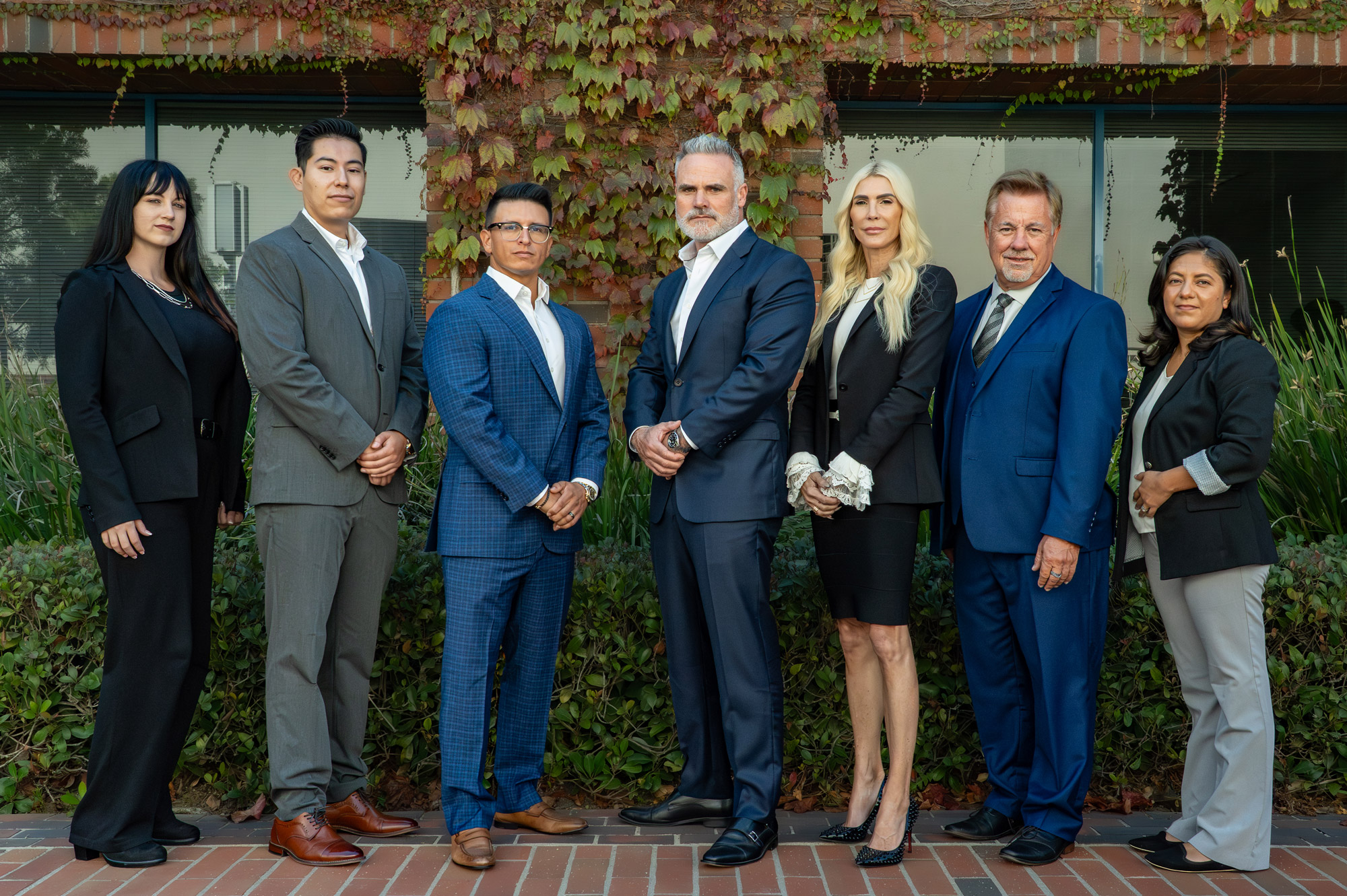
Robert Vetchtein has been representing injured people throughout Southern California since 2004. If you were hurt in a crash in San Bernardino, Riverside, Fontana, the Inland Empire, Newport Beach, or Orange County, the team at Vetchtein Law handles every aspect of your case from initial investigation through resolution – whether that is a negotiated settlement or a trial verdict.
That means gathering and preserving the evidence that matters: police reports, traffic camera footage, medical records, expert opinions, and witness statements. It means identifying every source of available coverage and building a documented picture of the full value of your claim. And it means negotiating from a position of preparation, not desperation.
Vetchtein Law works on a contingency fee basis. There is no fee unless we win. You pay nothing upfront to get experienced legal representation on your side.
If you have questions about what your San Bernardino car accident case might be worth, you can contact Vetchtein Law for a free case evaluation any time, day or night. Reach the firm directly at (888) 963-9999.
Frequently Asked Questions
How long does it take to settle a car accident claim in San Bernardino?
It depends on the complexity of the case and the severity of your injuries. Straightforward cases with clear liability and documented injuries may resolve in a few months. Cases involving serious injuries, disputed fault, multiple parties, or litigation can take a year or more. It is generally better to wait until your medical treatment is complete before accepting any settlement so the full value of your claim is known.
What if the other driver does not have insurance?
If the at-fault driver is uninsured, you may be able to make a claim under your own uninsured motorist coverage if you carry it. You may also have the option to sue the driver directly, though collecting a judgment against someone with no assets can be difficult. An attorney can review all available options based on your specific policy and the facts of your case.
Can I still recover compensation if I was partially at fault for the accident?
Yes. California’s pure comparative negligence rule allows you to recover compensation even if you were partially responsible for the crash. Your total damages are reduced by your percentage of fault. If you were 30 percent at fault and your total damages were $100,000, you would be entitled to $70,000. Insurance companies will try to assign as much fault to you as possible, which is one reason legal representation matters.
Should I give a recorded statement to the other driver’s insurance company?
You are generally not required to give a recorded statement to the at-fault driver’s insurer, and doing so without an attorney can create problems. Adjusters are trained to ask questions in ways that can reduce the value of your claim. You do have an obligation to cooperate with your own insurer. Before giving any recorded statement, speaking with an attorney first is strongly advisable.
What happens if my injuries get worse after I settle?
Once you sign a settlement release, you waive your right to seek any additional compensation related to that accident, even if your condition worsens. This is why settling too early – before you understand the full extent of your injuries – can be a serious financial mistake. Waiting until you reach maximum medical improvement protects you from accepting a settlement that does not cover your long-term needs.
Does Vetchtein Law charge anything if I call to ask about my case? No. The initial case evaluation is completely free. If Vetchtein Law takes your case, the firm works on a contingency fee basis, meaning there is no fee unless you recover compensation. You can reach the firm 24 hours a day, seven days a week at (888) 963-9999 or through the contact page.
If you were hurt in a car accident in San Bernardino and you are trying to figure out what your case is worth, do not rely on what an insurance adjuster tells you. Get an independent evaluation from an attorney who handles these cases every day.
Call Vetchtein Law at (888) 963-9999 – available 24/7 – or submit your information online. There is no fee unless we win.
Learn more about our San Bernardino car accident attorneys and Riverside car accident attorneys, or meet attorney Robert Vetchtein.
This article is for informational purposes only. It is not legal advice and does not create an attorney-client relationship. Laws and deadlines change, and every case is different, so speak with a qualified California attorney about your situation.